

Storms can bring heavy rains, strong winds, hail, and flying debris, all of which can wreak havoc on your roof. The structural integrity of your roof is critical, as any vulnerability can lead to leaks, water damage, and even structural failure.
Understanding the potential impact of storms helps in taking preventive measures and knowing when to seek professional roofing services for storm damage repair.
Moreover, being informed about the specific threats posed by different types of storms can guide you in selecting appropriate materials and designs for your roof.
Common Types of Storm Damage
- Wind Damage: High winds can loosen shingles, cause branches to fall, or even rip off parts of your roof. The force of the wind can also lift the edges of roofing materials, creating openings for water to seep in. Over time, repeated exposure to strong winds can weaken the overall structure of your roof.
- Water Damage: Prolonged exposure to rain can lead to leaks and water seepage into your home. Once water penetrates the roof, it can cause mold growth, rot, and damage to the interior of your home. Sealing and proper drainage are crucial to prevent these issues.
- Hail Damage: Hailstones can dent or crack shingles, reducing their effectiveness. The impact from hail can also cause granule loss on asphalt shingles, which diminishes their protective qualities. Over time, this can lead to the premature aging of your roof.
- Debris Impact: Flying debris can puncture or damage roofing materials. This can create immediate vulnerabilities, such as holes or tears, that allow water to enter. Regularly clearing debris and securing surrounding areas can minimize this risk.
The Importance of Weatherproof Roofing
Weatherproof roofing is designed to withstand the harshest elements. Investing in quality materials and proper installation can make all the difference during a storm. When choosing materials, it’s important to consider not only their durability but also their compatibility with your local climate conditions. Here are some key aspects to consider:
Durable Roofing Materials
Opt for materials known for their durability and resistance to different weather conditions. Asphalt shingles, metal roofing, and tiles are popular choices due to their resilience. Each material has its own set of benefits and is suitable for different climates. For example, metal roofing is known for its longevity and ability to withstand high winds, while tiles offer excellent protection against water damage.
Additionally, consider the energy efficiency of your roofing materials. Some options, like reflective metal roofs, can help reduce energy costs by reflecting sunlight and reducing heat absorption.
Professional Installation
The best materials mean little without proper installation. Hiring a reputable roofing company ensures that your roof is installed correctly and can handle severe weather. Professional roofing contractors have the expertise to address potential weak points and ensure a tight, secure fit. They can also provide valuable advice on the best materials and designs suited to your specific needs.
Regular Roof Maintenance

Regular maintenance is essential in protecting your roof from storm damage. Small issues can quickly escalate into major problems if left unaddressed. By staying on top of maintenance tasks, you can prolong the lifespan of your roof and maintain its effectiveness. Here are some maintenance tips to keep your roof in top shape:
Routine Inspections
Schedule regular inspections with a qualified roofing contractor. They can identify and address minor issues before they become significant problems. Inspections should be conducted at least twice a year, preferably in spring and fall. These routine checks can catch potential issues like loose shingles or damaged flashing early, saving you from more extensive repairs later.
Cleaning Gutters and Downspouts
Clogged gutters can lead to water buildup and damage. Clean your gutters regularly to ensure proper drainage and prevent water from seeping under your roof. Neglecting this task can result in water pooling and eventually penetrating the roof’s underlayment, leading to leaks and water damage within your home.
Trimming Overhanging Branches
Trees close to your home can pose a risk during storms. Trim any overhanging branches to prevent them from falling onto your roof during high winds. Not only can falling branches cause immediate damage, but they can also scratch and wear down roofing materials over time.
Regularly maintaining the trees around your home not only protects your roof but also improves the overall safety of your property. In some cases, it may be necessary to remove trees that pose a significant risk, especially if they are diseased or unstable.
Preparing for an Approaching Storm
When a storm is on the horizon, taking proactive steps can mitigate potential damage. Preparation is key to minimizing the impact of severe weather and ensuring your roof remains intact. Here’s how you can prepare:
Secure Loose Items
Remove or secure outdoor furniture, decorations, and other items that could become projectiles in high winds. Even small objects can cause significant damage if they are hurled against your roof or windows during a storm. Taking the time to secure these items can prevent unnecessary damage and reduce cleanup efforts post-storm.
Inspect and Repair
Conduct a quick inspection of your roof and address any visible issues, such as loose shingles or damaged flashing, before the storm hits. Taking care of minor repairs in advance can prevent them from becoming major problems during a storm. Pay special attention to vulnerable areas such as roof edges and corners, where wind pressure is typically greatest.
If you’re unsure about the condition of your roof, don’t hesitate to contact a professional for a pre-storm inspection. Their expertise can ensure that your roof is as prepared as possible to withstand the approaching weather.
Reinforce Weak Areas
Consider reinforcing vulnerable areas of your roof with additional fasteners or sealants. Consult with a roofing contractor for professional advice on this matter. They can recommend specific products or techniques that can enhance your roof’s resilience against high winds and heavy rains.
Dealing with Storm Damage
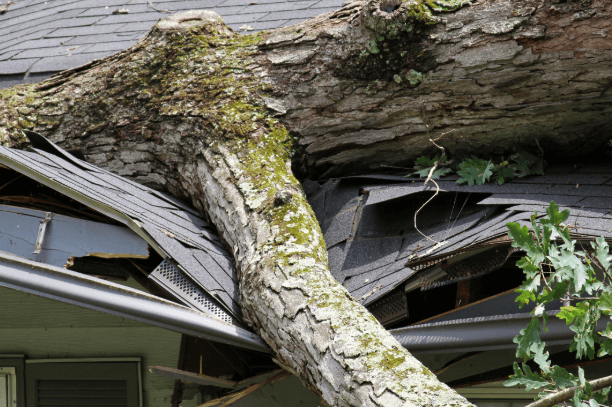
After a storm, it’s crucial to assess your roof for any damage and take immediate action. Prompt attention to storm damage can prevent further deterioration and protect your home from additional harm. Here’s what you should do:
Conduct a Visual Inspection
Safely inspect your roof from the ground for any obvious signs of damage, such as missing shingles or visible leaks. Use binoculars for a closer look if necessary, and avoid climbing onto the roof unless you are experienced and it is safe to do so. Look for telltale signs like granule loss or sagging areas that could indicate underlying issues.
If you notice any damage, make a note of its location and extent. This information will be helpful when discussing repairs with a professional roofing contractor.
Contact a Roofing Company
If you suspect damage, contact a reputable roofing company to conduct a thorough assessment. They can provide storm damage repair services and ensure your roof is back in optimal condition. A professional evaluation will not only identify visible damage but also uncover hidden problems that might not be immediately apparent.
Document the Damage
Take photographs of any damage for insurance purposes. Proper documentation can help expedite the claims process. Include photos of the roof from different angles, as well as any interior damage that may have resulted from leaks or structural issues. Keep a record of any communication with your insurance company and contractors for future reference.
Having comprehensive documentation can also support your case if there are discrepancies or disputes regarding the extent of the damage or the necessary repairs.
Conclusion
Protecting your roof from storm damage is a proactive process that involves selecting durable materials and ensuring proper installation, regular maintenance, and timely repairs. By taking these steps, you can safeguard your home, prevent costly repairs, and ensure the safety and comfort of your family during severe weather conditions.
Remember, when in doubt, always consult a professional roofing contractor, like us here at Slate Stone Construction, for expert advice and services. Investing in your roof’s resilience today can save you significant time, money, and stress in the future. Stay vigilant, stay prepared, and ensure your home remains a haven, no matter what the weather brings.
Give our team a call today for expert storm damage repair services!
